Reel Talk: How to Tell Your Brand Story With Video - Justin Serran, Video Editor
- by The it.com Domains Team

Table of contents
It’s said that if a picture is worth a thousand words, then a video is worth a million. Justin Serran, an expert in video editing and motion design, shared his tips on leveraging video content for online success in the interview with it.com Domains.
Video content has become indispensable for businesses aiming to captivate and retain audiences. Viewers remember 95% of a message when delivered by video, while only 10% by text. 91% of businesses now use video as a marketing tool, while 87% report a direct increase in sales from video marketing. HubSpot’s 2025 State of Marketing report shows that short-form video delivers the highest ROI of any content format, outperforming blogs, static images, and even paid search in engagement and conversion efficiency .
Moreover, users actively seek video content: 89% of consumers are hungry for more videos from brands, indicating it being a preferred and engaging medium for audiences. Global video consumption continues to surge, with online video now accounting for over 82% of all internet traffic, and that share keeps growing as short-form, shoppable, and AI-enhanced video formats mature.
Mobile-first, vertical formats now dominate daily consumption across TikTok, Instagram Reels, and YouTube Shorts. Viewers don’t just watch — they remember: studies continue to show that people retain significantly more information from video than from text-only content
To explore the transformative power of video, we spoke with Justin Serran, a video editor, motion designer, and an ambassador of it.com Domains. He shares insights on how businesses can leverage video content to enhance their online presence.
All Eyes and Ears
it.com Domains: How does video content stand out from other forms of online content? What advantages does it offer, especially for small businesses?
Justin Serran: Video content combines visuals, sound, and storytelling in a dynamic way that engages multiple senses at once. For small businesses, video offers the ability to humanize their brand, demonstrate products or services in action, and connect emotionally with their audience. Video can also simplify complex messages - and it is highly shareable, enhancing organic reach and engagement.
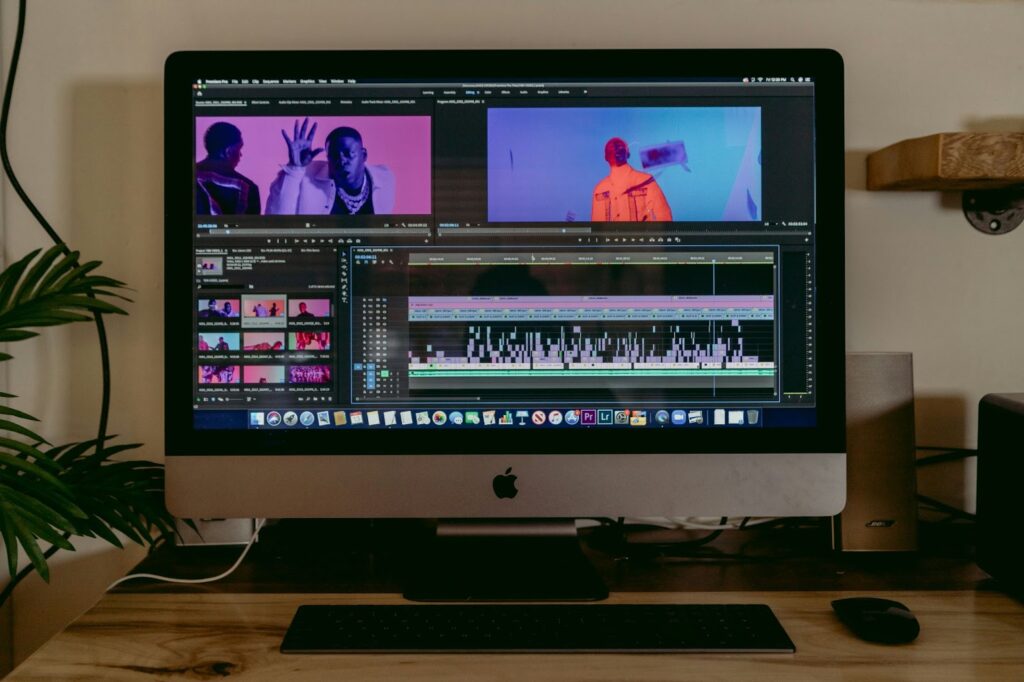
it.com Domains: How can a business use video to tell their brand story and connect with their target audience on an emotional level? What are some key storytelling techniques that can enhance brand recognition and loyalty?
JS: To tell a compelling brand story, businesses should focus on authenticity, relatability, and emotional resonance. Starting with a narrative arc—introducing a challenge, showing a journey, and then providing a resolution—can help convey the brand's values and mission.
Techniques such as using real customer testimonials, behind-the-scenes footage, and emphasizing emotions like hope, excitement, or even vulnerability can make the brand more relatable. Strong visuals, paired with music that complements the mood, can further deepen emotional engagement and foster loyalty.
it.com Domains: Can you share any successful case studies of businesses that have leveraged video content to drive significant growth? What lessons can others learn?
JS: A great example is Dollar Shave Club, whose viral launch video combined humour, authenticity, and a clear value proposition. The video was low-budget but creative, driving massive brand awareness and subscriber growth. The lesson here is that a well-told, unique story can outperform high-production value.

Another example is Airbnb, which used user-generated content and video storytelling to highlight personal experiences, building trust and community. The key takeaway is to focus on connecting emotionally with the audience, even if resources are limited.
Cut, Don’t Cut Corners
it.com Domains: What are some tips for businesses looking to produce high-quality video content on a budget? Can you share any advice on equipment, lighting, and sound? In other words – is a brand new iPhone enough?
JS: Yes, a brand new iPhone is often enough for high-quality video content! The key is to focus on lighting, sound, and framing. Use natural light or affordable ring lights to ensure the subject is well-lit. For sound, invest in an external microphone, as audio quality is often more critical than video resolution. Stabilize the camera with a tripod or gimbal to avoid shaky footage. Lastly, post-production can elevate the content—simple colour correction and sound mixing can make even iPhone footage look professional.

it.com Domains: Do you think it’s important for a business to have its own style in video editing? Why? And how to develop one?
JS: Having a unique editing style reinforces a brand's identity. Consistent elements like colour grading, transitions, pacing, and even the choice of music can set a business apart and make their content recognizable. To develop a style, businesses should first define their brand personality and target audience. Next, they can experiment with editing techniques, gather feedback, and refine their approach. Over time, a distinctive style will emerge that resonates with their audience

it.com Domains: What are some key video editing techniques that can make a difference in the quality and impact of a video? How can businesses ensure their videos are visually appealing and easy to follow?
JS: It’s all about proper pacing, smooth transitions, and attention to sound design. Fast cuts can keep energy high, while slower, more deliberate edits can convey seriousness or emotion. Colour grading helps maintain visual consistency and enhance the mood. Subtitles or text overlays make content more accessible and retain attention, especially on platforms where sound might be muted. Lastly, structuring the video with clear beginning, middle, and end segments ensures the message is easy to follow and keeps viewers engaged.
it.com Domains: And what are the most common mistakes in DIY content editing? How to avoid the most obvious pitfalls?
JS: Poor audio quality, abrupt cuts, overuse of transitions, and lack of a clear narrative structure. Avoiding these pitfalls requires attention to the basics: ensure the sound is crisp, use transitions sparingly and purposefully, and maintain a logical flow in the story. Another frequent issue is not optimizing the video for mobile, resulting in unreadable text or awkward framing. Always preview the video across different devices before finalizing it.

it.com Domains: Can you recommend your favorite free video editing tools?
JS: I can vouch for some excellent free video editing tools such as DaVinci Resolve, which offers professional-grade colour grading and editing capabilities; CapCut, great for editing, and simple effects and Adobe Express for quickly editing videos for social media, and more.
Click, Share, Repeat
it.com Domains: How does the role that video plays in driving social media engagement change with the new ways that YouTube, TikTok, and Instagram offer businesses to reach their audiences?
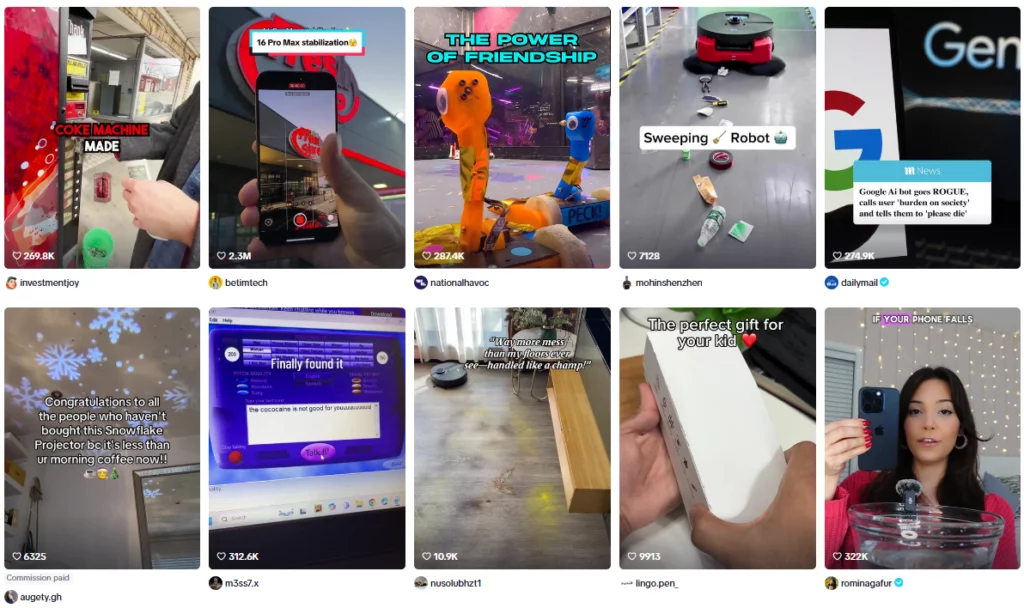
JS: TikTok’s bite-sized videos, YouTube’s Shorts, and Instagram Reels all prioritize quick, engaging content that is easily consumable and shareable. These formats cater to short attention spans, and businesses must adapt by creating content that delivers value within seconds. The shift toward vertical video and user-generated style content allows businesses to be more informal, which often boosts engagement. Businesses should tailor their video strategies for each platform's algorithm and user behavior to maximize impact.
it.com Domains: Social media formats are changing rapidly. Short or long – what’s your stance? How do you think the video formats might evolve in the near future?
JS: Both short and long formats have their place. Short videos, typically under 60 seconds, are great for quick engagement, virality, and mobile consumption. Long-form content, like YouTube videos or webinars, works well for deep storytelling and detailed product demonstrations.
In the future, I see continued growth in short, vertical formats due to mobile-first consumption trends. However, long-form content will remain valuable for businesses focusing on education, thought leadership, or complex product offerings. The key is to align format with the platform and the content's purpose.
it.com Domains: What would be your key tips for a successful utilization of video content on the website? What are the main considerations when placing video content onsite?
JS: Videos should be strategically placed in areas where they support the user journey, such as product pages, landing pages, or homepage hero sections. Ensure the videos are optimized for fast loading times to avoid hurting page speed and SEO.
Use autoplay with caution—mute the audio initially to avoid disrupting the user experience. Include clear calls to action (CTAs) within the video to guide users further down the funnel. Lastly, ensure the video is mobile-friendly, given that a significant portion of users will view it on smaller screens.
Next on the Reel
it.com Domains: How can businesses measure the success of their video content? What metrics should they track to understand audience engagement, conversion rates, and return on investment?
JS: Track view count, watch time, and audience retention (how long viewers stay engaged). Engagement metrics such as likes, shares, comments, and click-through rates (if using interactive elements) are also crucial indicators of impact. Conversion rates are important for tracking whether viewers take desired actions, such as subscribing, signing up, or purchasing after watching the video. Businesses should also calculate ROI by comparing the cost of producing the video against the revenue or leads it generates.

it.com Domains: What do you personally think about the role of AI in the future of video production and editing? Where can AI replace professional editors – and where it cannot?
JS: AI is already revolutionizing tasks like colour correction, sound editing, and even generating captions automatically. It excels at speeding up repetitive tasks, but it can't replace human creativity, intuition, and the ability to craft emotionally resonant stories. While AI might assist in editing tasks or automate social cuts, the overall creative vision, storytelling, and nuanced decisions will still require human editors.
it.com Domains: And finally - what emerging video trends or technologies do you see having a significant impact on the business landscape in the coming years? How can businesses stay ahead of the curve and adapt to these changes?
JS: Trends like AR/VR, interactive videos, and AI-driven content creation will have significant impacts. Shoppable videos, where viewers can make purchases directly from the content, are also on the rise. To stay ahead, businesses should experiment with new formats and invest in technology that allows for personalized and interactive experiences. Staying agile and adopting a test-and-learn approach with emerging tools will help businesses adapt and maintain a competitive edge.
FAQs
Why is video content so important for brand storytelling in 2025 and 2026?
Video combines visuals, sound, and narrative into a single immersive format, making it easier for audiences to connect emotionally with a brand. As attention spans shrink and competition grows, video helps brands communicate values, personality, and trust far more effectively than static content.
Do small businesses really need video, or is it only for big brands?
Small businesses arguably benefit the most. Video allows them to humanise their brand, showcase real people, and tell authentic stories — often outperforming polished, high-budget campaigns from larger competitors when the story resonates.
What type of video content performs best right now?
Short-form vertical video currently leads in reach and engagement, especially on TikTok, Instagram Reels, and YouTube Shorts. However, long-form video still plays a key role for tutorials, product explainers, and thought leadership. The strongest strategies usually combine both.
What role will AI play in video production?
AI is already speeding up editing, captioning, colour correction, and content repurposing. While it can automate repetitive tasks and optimise workflows, creative direction, storytelling, and emotional nuance still rely heavily on human expertise.
Get inspired by the leading industry experts! Visit it.com Domains blog and follow us on social media.

Read also

Expert Opinion
2025 Domain Sales and Acquisitions and 2026 Predictions with Tess Diaz, it.com Domains
- 9 min read

Expert Opinion
- 5 min read